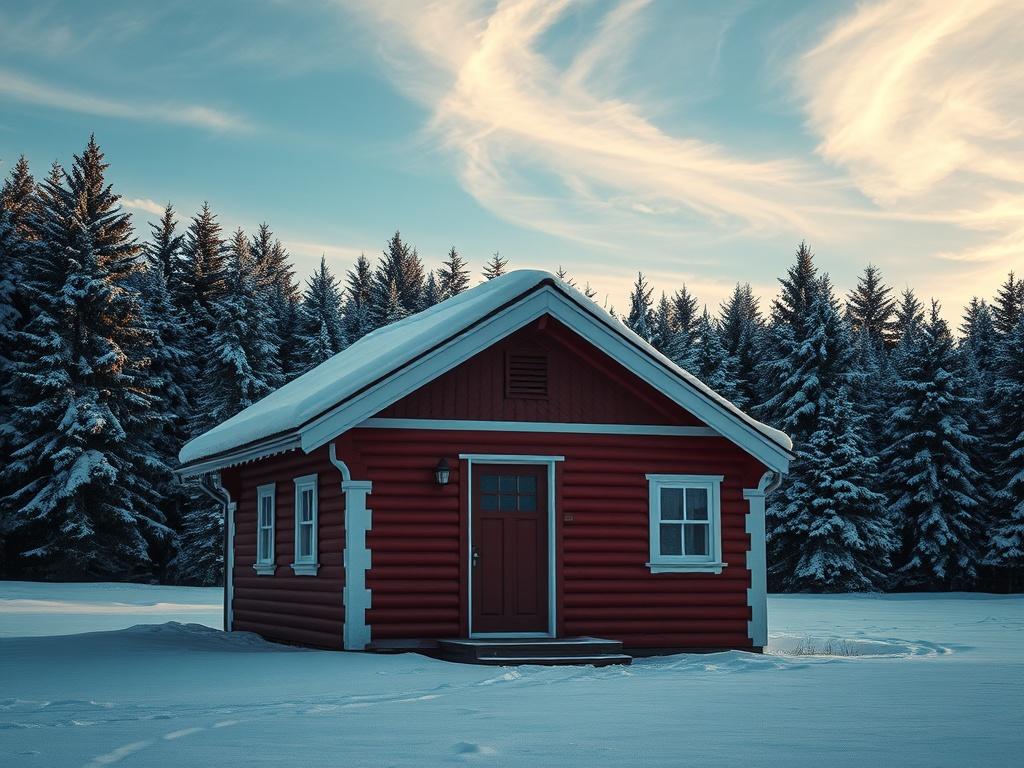
Scandinavian culture, steeped in rich traditions and a profound relationship with nature, has a unique ability to shape narratives that resonate deeply with audiences. This cultural backdrop serves as a fertile ground for storytelling, particularly in the genre of Nordic Noir, where haunting landscapes and complex characters intertwine. As we explore the intricate connections between Scandinavian culture and dark storytelling, we uncover the ways in which the stark realities of life in the Nordic countries give rise to compelling narratives that delve into the human psyche.
In this blog post, we will delve into how Nordic traditions influence the themes prevalent in Nordic Noir, highlighting elements such as morality, existentialism, and the struggle between light and darkness. We will also examine the pivotal role of community and environment, which are integral to the characters’ development and motivations. By understanding these connections, we can better appreciate the depth and nuance that Scandinavian culture brings to the world of storytelling, providing a lens through which readers can engage with the darker facets of human experience.
The intriguing connection between Scandinavian culture and dark storytelling
Scandinavian culture thrives on a complex tapestry woven with folklore, nature, and a deep-rooted sense of community. These elements craft a fertile ground for storytelling, particularly in the realm of dark narratives. The stark contrasts found within this culture, between the serene beauty of the Nordic landscape and the chilling realities of life, foster a unique artistic expression. Authors like Jo Nesbø and Stieg Larsson skillfully tap into this cultural duality, drawing readers into gripping tales that reflect both the tranquil setting of Scandinavia and the hidden shadows lurking beneath its surface.
In Nordic storytelling, darkness often serves as a mirror for societal issues, such as isolation, existential dread, and moral dilemmas. This connection to the cultural heritage resonates deeply with audiences, allowing them to engage with the narratives on multiple levels. Elements like the long winters and the ethereal quality of the northern lights evoke feelings of eeriness and contemplation, setting the stage for gripping tales filled with intrigue. As readers delve into the world of Nordic Noir, they uncover not just the chilling plots, but also a profound exploration of the human condition, shaped by the unique cultural fabric of Scandinavia.
How Nordic traditions influence the themes of Nordic Noir
Nordic traditions deeply inform the thematic undercurrents of Nordic Noir, weaving a rich tapestry of cultural beliefs and historical perspectives that elevate the storytelling. From folktales filled with moral ambiguity to historical narratives of survival in harsh landscapes, these traditions underpin a distinctive approach to storytelling. The persistent motifs of isolation and existential despair echo through the genre, reflecting the harsh realities of life in the Scandinavian landscape. This connection to tradition opens the door to exploring the darker facets of humanity, often positioning characters against their environments, which have shaped their identities and choices over generations.
Additionally, Nordic Noir frequently draws on the region’s deep-seated mythologies that illustrate the clash between light and darkness. The contrasting elements of beauty and brutality in nature find their way into character arcs and plot developments, serving as a metaphor for internal struggles and societal conflicts. Themes like betrayal, moral complexity, and justice resonate throughout the narrative, creating a profound emotional connection with the audience. By embedding these traditional elements within dark stories, Nordic Noir not only captures the essence of its cultural roots but also challenges viewers to confront uncomfortable truths about human nature and societal norms.
The role of community and environment in shaping character depth in Nordic Noir
In Nordic Noir, the settings often mirror the characters’ internal struggles, creating a profound relationship between individuals and their surroundings. The stark, cold landscapes of Scandinavia not only establish a foreboding atmosphere but also influence character behavior and development. The formidable fjords, dense forests, and long winters become more than mere backdrops; they serve as extensions of the characters’ psyches. As protagonists confront their own demons, the harsh environment amplifies their isolation and suffering, making their journeys all the more compelling. This interplay between setting and character deepens the narrative, urging readers to explore the psychological underpinnings of each individual within the framework of their community.
Furthermore, community plays a pivotal role in shaping character depth in Nordic Noir. Characters often grapple with their moral dilemmas in the context of tightly-knit societies, where gossip and tradition cast long shadows over personal choices. The collective consciousness of Scandinavian communities influences motivations and conflicts, exposing the intricate ties that bind individuals to social expectations. As characters navigate through the complexities of loyalty, betrayal, and ethics, the weight of their community’s judgment heightens the stakes and propels the narrative forward. This multifaceted exploration of community dynamics enriches the storytelling, allowing readers to engage with the characters on both personal and communal levels.